
A home inspection is an important part of buying, selling, or maintaining a property. Before making a major real estate decision, you want to understand the condition of the building and identify issues that could lead to unexpected expenses. One of the first questions homeowners and buyers ask is: How much does a home inspection cost in New Jersey?
The price depends on several factors, including the property’s size, age, location, and the type of inspection required. Additional services, such as radon testing, termite inspections, and mold evaluations, can also affect the total cost.
Understanding these factors can help you plan your budget and choose the right inspection service. Whether you are purchasing an older house, considering a newly built property, or preparing to list your home, this guide explains what influences inspection costs and what to consider before booking.
Average Home Inspection Cost in New Jersey
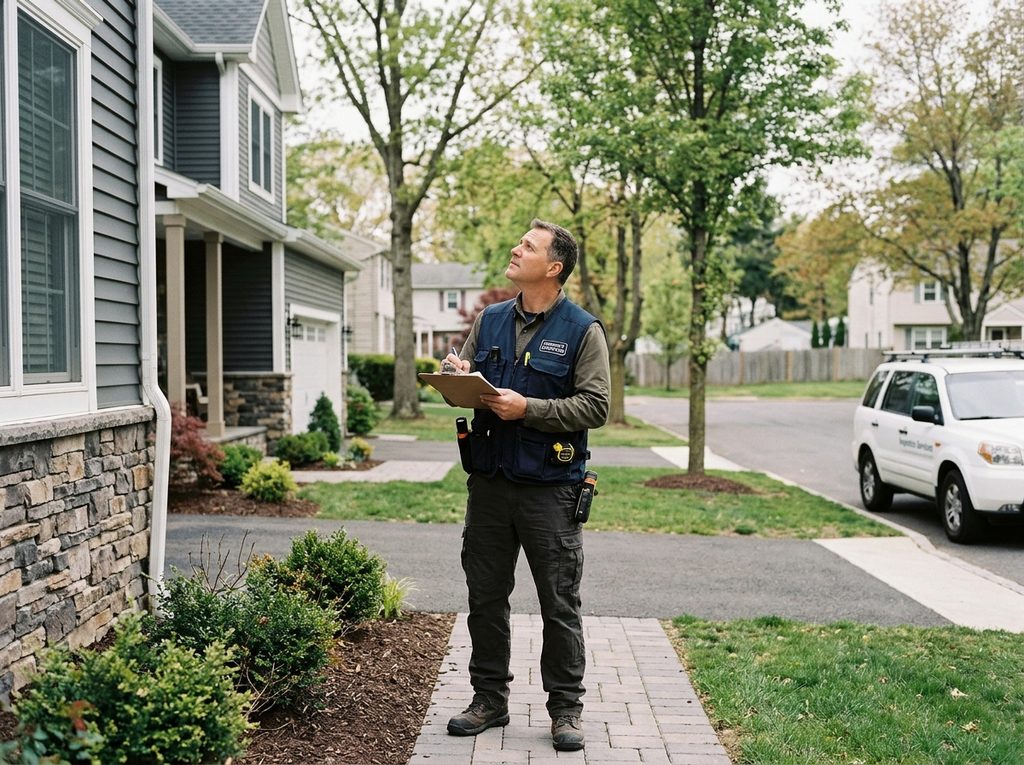
In New Jersey, a standard home inspection may cost approximately $400 to $700 for a typical single-family property. Smaller homes or condos may cost less, while larger, older, or more complex properties can cost more. A New Jersey homebuyer guide published by the state gives a general fee range of $300 to $500, while newer 2026 pricing estimates show higher ranges in some areas.
These figures are estimates, not fixed statewide prices. The actual amount depends on the property and the services included in the inspection.
Before scheduling, request a quote based on your home’s size, age, and location. Also confirm whether the price includes a written report and whether additional testing is charged separately.
What Factors Affect Home Inspection Costs?
Several factors influence the price of home inspection services in New Jersey. Understanding them helps you compare quotes and avoid unexpected expenses.
1. Property Size
Square footage is one of the most common pricing factors. A larger property generally takes more time to inspect because it has more rooms, fixtures, and systems.
For example, a small condo may require less inspection time than a large single-family house with multiple floors, a basement, and an attached garage.
2. Age and Condition of the Home
Older properties may have aging electrical, plumbing, roofing, or heating systems. Inspectors may need additional time to review accessible components and document visible concerns.
A newer property may have fewer signs of wear, but it still needs a professional evaluation. Even recently built homes can have installation defects or unfinished items.
3. Property Type
The inspection price may also depend on the type of building. Condos, townhouses, single-family homes, and multifamily properties have different layouts and inspection requirements.
A Commercial Home Inspection is not the same as a standard residential inspection. Commercial properties may require a different scope, so confirm the services and pricing before booking.
4. Location Within New Jersey
Prices can vary between areas because of travel distance, local demand, and operating costs. An inspection in a densely populated area may have different pricing from one in a less populated community.
Ask whether the quote includes travel charges, especially if the property is outside the inspector’s usual service area.
5. Additional Inspection Services
A standard inspection does not necessarily include specialized testing. Services such as radon testing, termite inspections, and mold evaluations may increase the total cost.
Always ask for an itemized estimate so you know what is included in the base price and what requires an additional fee.
How Much Do Additional Inspection Services Cost?
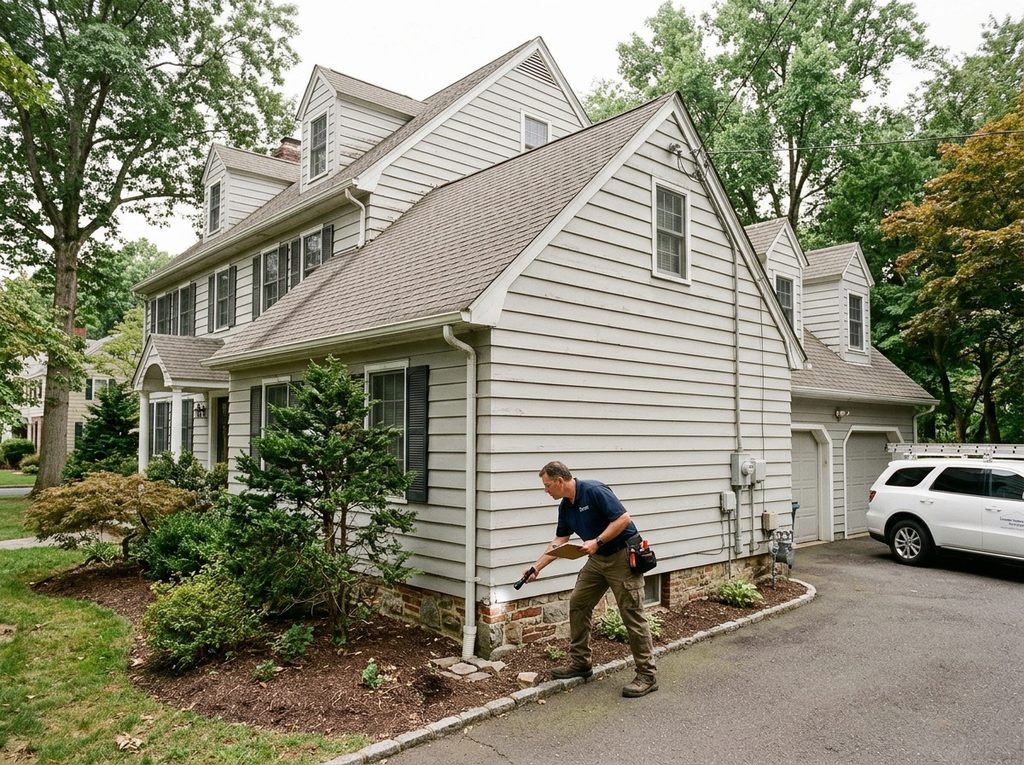
Some properties need more than a general inspection. Additional services can help investigate specific concerns that a standard visual evaluation may not fully address.
Typical advertised New Jersey prices vary by provider. For example, published local pricing lists radon testing, termite inspections, and mold testing as separate services, with costs depending on whether they are bundled with a general inspection.
Here are some services you may want to consider:
- Termite Home Inspection: Checks for visible evidence of termites and other wood-destroying insects.
- Radon Testing Services: Measures radon levels inside the property. Testing is important because radon cannot be detected through sight or smell.
- Mold Home Inspection: Helps investigate visible mold-like growth and moisture-related concerns.
- Roof Inspection: Focuses on the roof’s visible condition, roofing materials, and potential signs of damage.
- 4 Points Home Inspection: Reviews four major areas: roofing, electrical, plumbing, and heating and cooling systems.
The exact scope and price depend on the provider. Ask whether these services can be scheduled during the same appointment as your general inspection.
Does a New Construction Home Inspection Cost Less?
Not necessarily. A newly built property may look clean and complete, but that does not mean every component has been installed correctly.
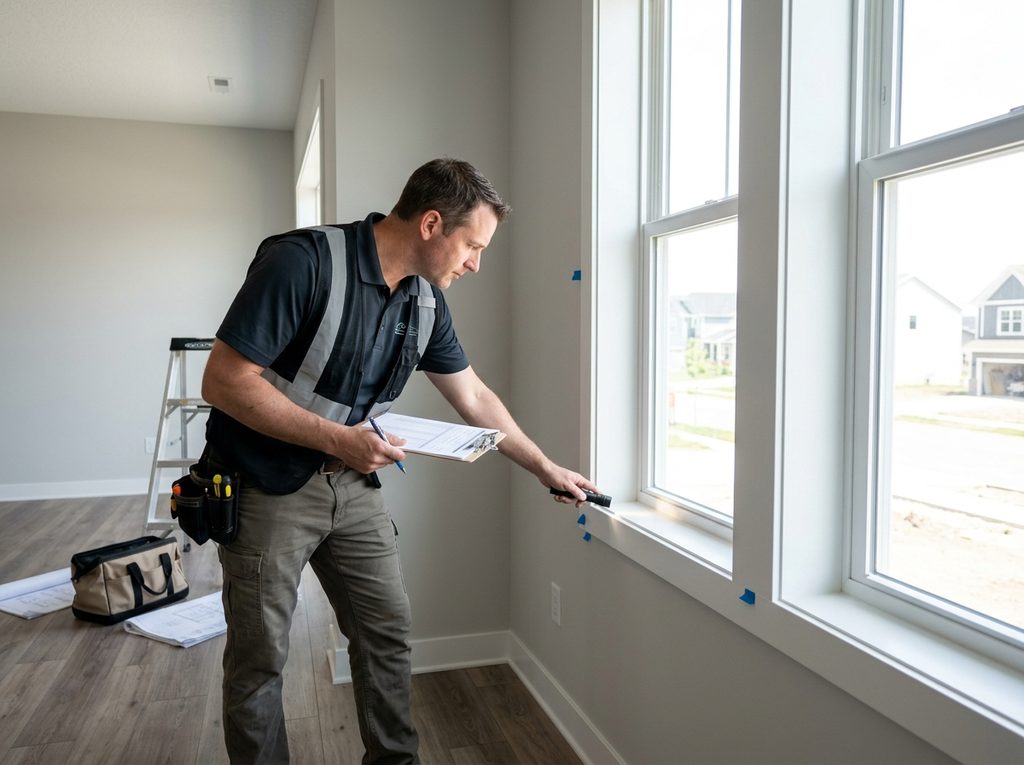
A New Construction Home Inspection evaluates accessible areas for visible construction defects, incomplete work, and other concerns. Buyers may schedule an inspection before the final walkthrough or before accepting the property.
The price depends on the home’s size, layout, and inspection stage. Some buyers also arrange a later warranty inspection to identify concerns that become noticeable after moving in.
If you are considering new home inspections, ask the inspector what stages are covered and whether follow-up visits are priced separately.
Is a Pre-Listing Home Inspection Worth the Cost?
A Pre Listing Home Inspection is arranged by the seller before putting a property on the market. It can help identify visible issues that may otherwise appear during a buyer’s inspection.
Knowing about these concerns early gives sellers time to consider repairs, obtain estimates, and prepare for questions from potential buyers.
A Pre Home Inspection can also be useful when a homeowner wants to understand the property’s condition before starting renovations or planning maintenance.
Although it adds an upfront expense, identifying issues before listing may make the selling process more organized. However, an inspection cannot guarantee that a buyer’s inspector will find exactly the same conditions.
What Is Included in a General Home Inspection?
A general home inspection usually covers accessible and visible components throughout the property.
Common inspection areas include:
- Roof: Visible roofing materials, flashing, gutters, and signs of damage.
- Exterior: Siding, doors, windows, walkways, and drainage conditions.
- Structure: Visible foundation components, floors, walls, and ceilings.
- Electrical: Accessible electrical panels, outlets, switches, and visible wiring.
- Plumbing: Fixtures, visible pipes, drains, and water-related concerns.
- HVAC: Accessible heating and cooling equipment and related components.
- Interior: Doors, windows, stairs, floors, and other visible features.
- Attic: Accessible insulation, ventilation, and signs of moisture.
The inspector documents observable conditions and may recommend further evaluation when something falls outside the inspection’s scope. A standard inspection is not a guarantee against hidden defects.
How to Choose the Right Home Inspection Company
If you are searching for home inspection near me, home inspections near me, or home inspection companies near me, do not make your decision based on price alone.
Consider these points before booking:
- Check licensing: Verify that the inspector meets New Jersey’s licensing requirements.
- Review experience: Look for experience with the type of property you are purchasing.
- Understand the scope: Ask which systems and areas are included.
- Request a sample report: A clear report should explain findings and include useful photographs.
- Confirm additional fees: Ask about radon, termite, mold, and other optional services.
- Ask about turnaround: Find out when you will receive the completed report.
A very low quote may not include the services you expect. Comparing inspection scope and report quality can help you make a better decision.
Zee Home Inspection provides inspection services in New Jersey, including pre-purchase and pre-listing inspections. You can learn more about the company at Zee Home Inspection. Its inspector’s professional listing also identifies additional services such as radon, wood-destroying insect, and pre-listing inspections.
Is a Home Inspection Worth the Cost?
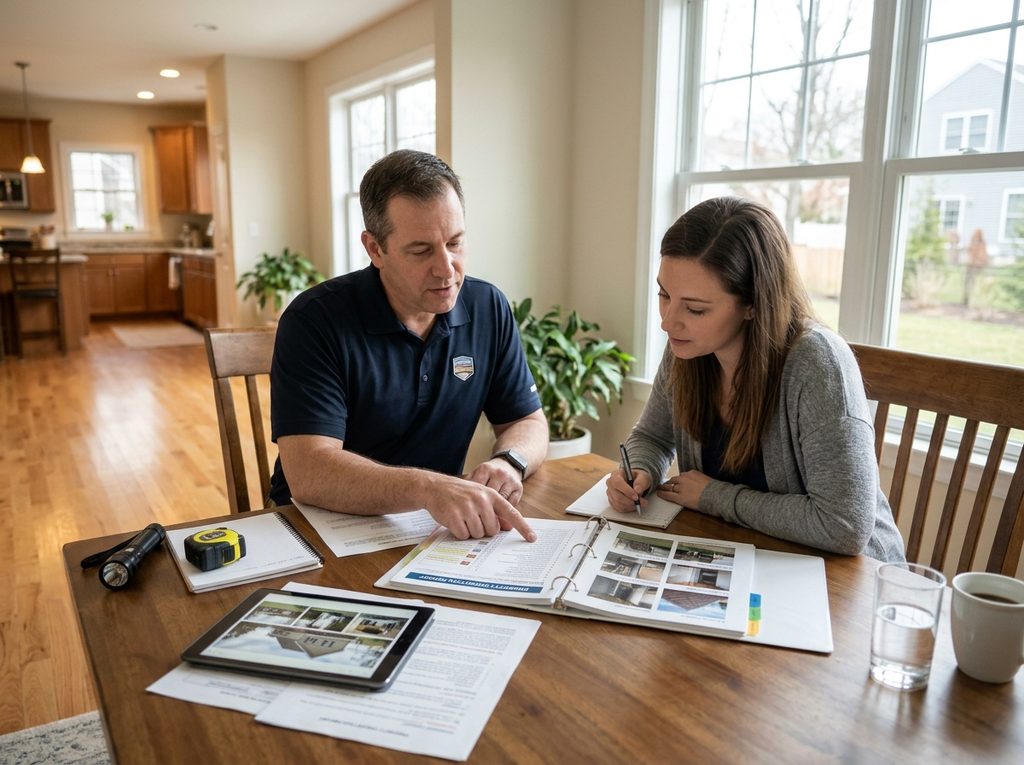
A professional inspection is an opportunity to learn about a property’s condition before making a major decision. It may identify visible problems that could require maintenance, repairs, or specialist attention.
For buyers, the report can help clarify the condition of the home and support informed discussions with their real estate agent. For sellers, an inspection can highlight concerns worth addressing before listing.
The inspection fee is a relatively small part of a property transaction, but the information can be valuable. Rather than choosing the cheapest available option, look for a qualified inspector who explains the process, provides a clear report, and answers your questions.
Final Thoughts
The cost of a home inspection in New Jersey depends on property size, age, location, and the type of evaluation required. A typical inspection may fall around $400 to $700, but additional testing and complex properties can increase the total.
Before booking, compare quotes, confirm what is included, and ask about optional services. If you are buying or selling a property, Zee Home Inspection can help you explore your inspection needs and take a more informed approach to your real estate decision.
Frequently Asked Questions
How much does a home inspection cost in New Jersey?
A typical single-family home inspection may cost around $400 to $700. The final price depends on property size, age, location, and inspection scope.
Does a home inspection include radon testing?
Not always. Radon testing is often offered as an additional service, so confirm whether it is included in your inspection quote.
Who pays for the home inspection in New Jersey?
In many home purchases, the buyer pays for the inspection because they arrange it to evaluate the property. The parties can agree to different arrangements as part of their transaction.
Do new construction homes need inspections?
Yes. New construction inspections can identify visible defects, incomplete work, and other concerns before the buyer accepts the property.
How long does a home inspection take?
Many standard inspections take approximately two to four hours. Larger, older, or more complex properties may require additional time.