
Buying a home is an important investment, and understanding its condition before closing can help you make a confident decision. One common question buyers ask is: How long does a home inspection take?
In New Jersey, a typical home inspection takes approximately 2 to 4 hours, depending on the property’s size, age, condition, and complexity. Smaller homes or condominiums may take less time, while larger or older properties can require a longer inspection.
A home inspection involves more than simply walking through rooms. The inspector evaluates accessible systems and components, identifies visible concerns, and prepares a report explaining the property’s condition.
At Zee Home Inspection, buyers, sellers, and homeowners can explore professional home inspection services in New Jersey. Knowing what affects the inspection timeline can help you plan your appointment and understand what happens during the process.
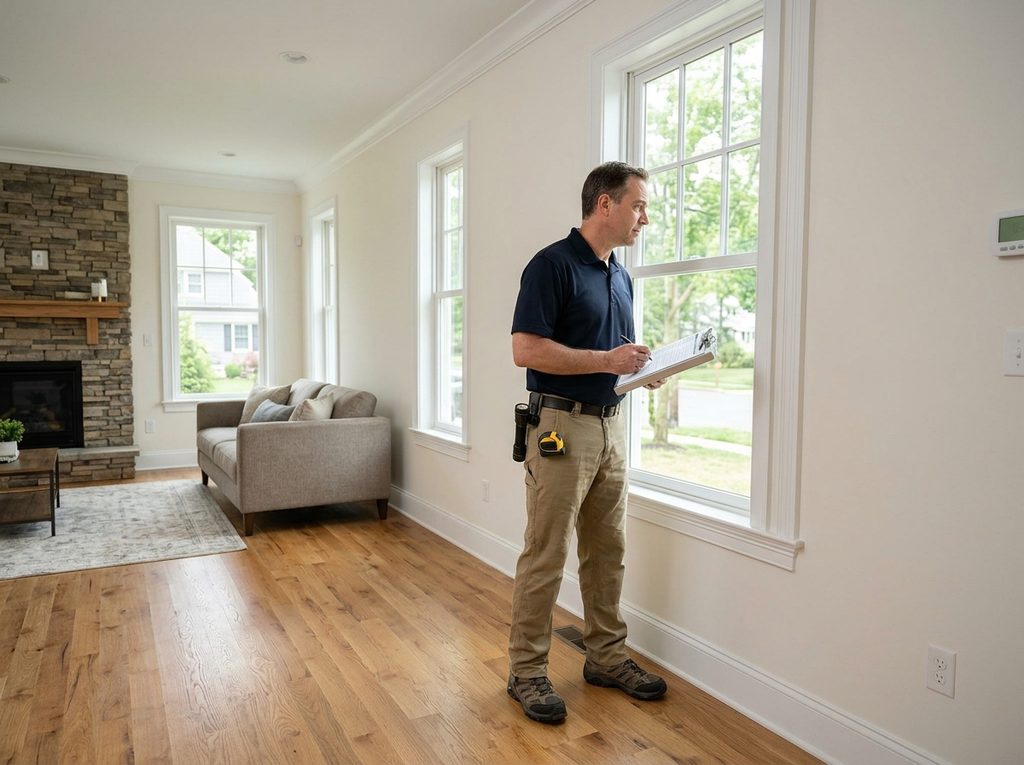
How Long Does a Typical Home Inspection Take?
Most standard residential inspections take around 2 to 4 hours. However, there is no fixed duration for every property.
A smaller condominium may take approximately 1 to 2 hours, while an average single-family home may require 2 to 3 hours. Larger homes, older properties, and houses with multiple systems or complex layouts can take 4 hours or longer.
The inspector needs enough time to examine accessible areas carefully. Rushing through the process can make it harder to identify and document important observations.
For buyers arranging a general home inspection, allowing several hours in your schedule is a practical approach. Ask your inspector for an estimated timeframe based on the property’s details.
What Factors Affect the Time Required for a Home Inspection?
Several factors determine how long an inspection takes. Understanding them can help you set realistic expectations.
1. Property Size
The size of the property is one of the biggest factors. A home with more rooms, bathrooms, floors, and living spaces generally requires more time to inspect.
A compact condominium has fewer areas to evaluate than a large single-family home. Additional garages, finished basements, and other accessible spaces may also extend the appointment.
2. Age of the Property
Older homes may require additional attention because their components have experienced more years of use.
An inspector may need to examine aging plumbing, electrical components, roofing materials, and visible structural conditions more closely. Previous renovations or repairs can also introduce additional areas that need attention.
Newer homes may have more recently installed systems, but they still require a careful inspection.
3. Property Condition
A well-maintained property may be more straightforward to inspect than one with visible deterioration or maintenance concerns.
Signs of water intrusion, damaged roofing, deteriorating materials, or other visible issues may require additional documentation. The inspector may also recommend further evaluation by a qualified specialist when necessary.
4. Accessibility
Inspectors need reasonable access to important areas, including the attic, basement, garage, electrical panel, and utility spaces.
Stored belongings, locked doors, or blocked access can prevent certain components from being examined. Preparing these areas before the appointment can help the inspection proceed efficiently.
5. Number of Systems and Features
Homes with multiple heating or cooling systems, extensive additions, fireplaces, or other features may require additional inspection time.
The more accessible components a property has, the more time the inspector may need to evaluate them.
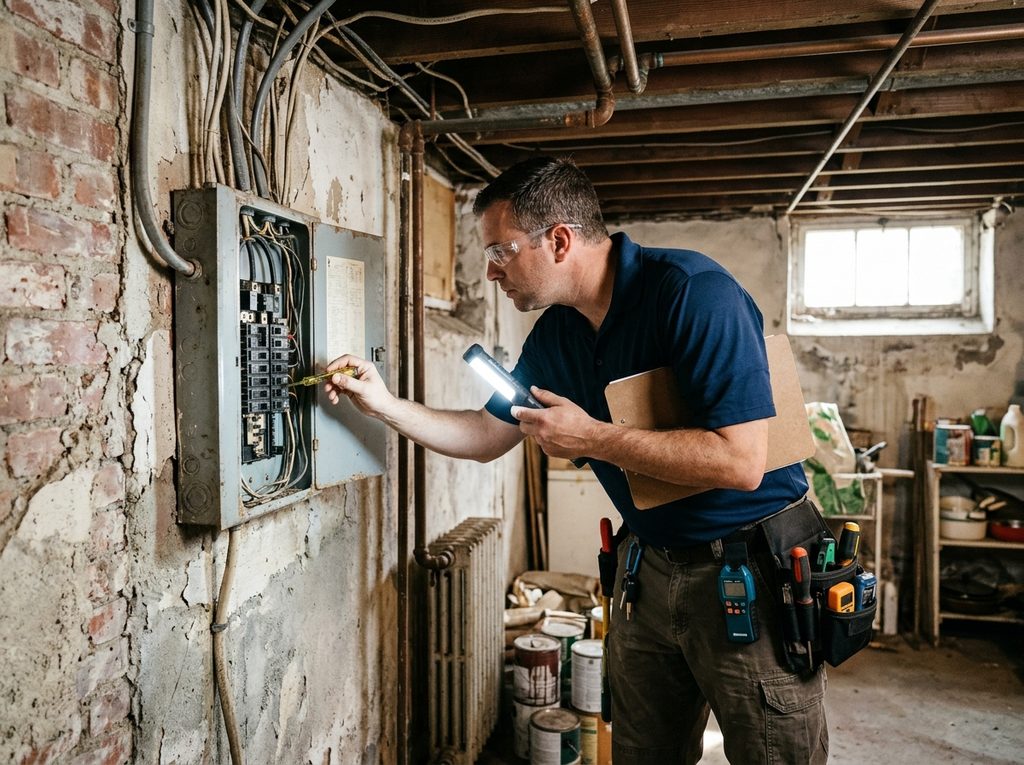
What Does a Home Inspector Check?
A professional home inspection generally covers the major accessible systems and components of a residential property.
These commonly include:
- Roofing: Visible shingles, flashing, gutters, and other accessible roof components.
- Structure: Foundation, visible framing, and other structural elements.
- Electrical: Accessible panels, outlets, switches, and visible wiring.
- Plumbing: Fixtures, accessible pipes, drains, and visible signs of leakage.
- Heating and cooling: Accessible HVAC equipment and related components.
- Interior: Walls, ceilings, floors, windows, doors, and stairs.
- Exterior: Siding, drainage conditions, porches, and other exterior features.
- Attic and ventilation: Accessible insulation, ventilation, and visible moisture concerns.
New Jersey’s home inspection standards identify these major systems and components as part of the required inspection scope. The inspection is visual and non-invasive, so concealed defects may not be discovered.
A detailed review of these areas takes time, which is why buyers should avoid expecting a complete inspection in just a few minutes.
Does a New Construction Home Inspection Take Less Time?
Not necessarily. A newly built property may have modern materials and recently installed systems, but that does not mean it should receive less attention.
A new construction home inspection evaluates accessible components for visible installation concerns, incomplete work, and other observable defects.
Similarly, new home inspections can help buyers understand the condition of a property before accepting it. The inspection duration depends on the home’s size, design, accessibility, and overall complexity.
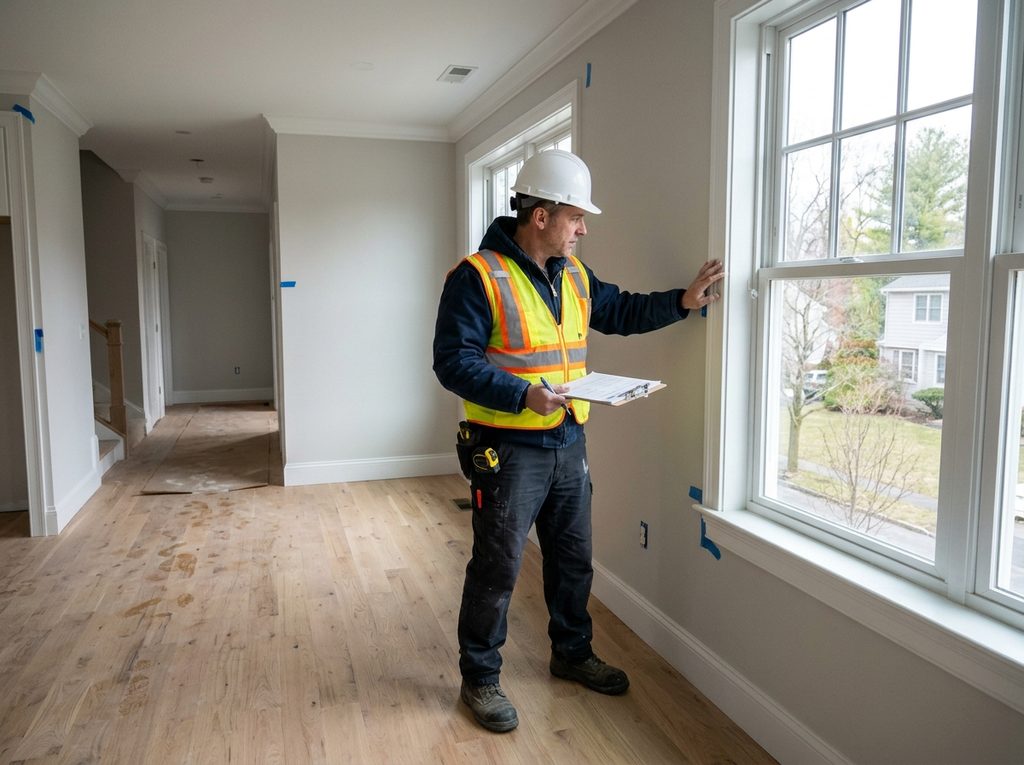
How Can You Prepare for a Home Inspection?
Preparing the property can help the inspector access important areas without unnecessary delays.
Consider these simple steps:
- Make sure the inspector can access the attic, basement, garage, and utility rooms.
- Unlock relevant doors and gates before the appointment.
- Move belongings away from electrical panels and accessible equipment.
- Ensure utilities are available when appropriate.
- Share information about known property concerns.
- Prepare questions about the home’s major systems.
If you are the buyer, consider attending the appointment when possible. You can ask questions, observe important findings, and learn about maintenance considerations.
What Happens After the Inspection?
After examining the property, the inspector prepares a written report documenting the observations.
The report generally includes descriptions of the inspected components, visible defects, photographs where appropriate, and recommendations for further evaluation when needed.
Review the report carefully rather than focusing only on the inspection duration. Some findings may involve routine maintenance, while others may require attention from a qualified contractor.
If you have questions about a particular observation, contact your inspector for clarification. You can also discuss significant findings with your real estate professional before proceeding with the purchase.
Are Additional Inspection Services Needed?
A general home inspection may not cover every specialized concern. Depending on the property and your needs, additional services may be worth considering.
Zee Home Inspection lists several specialized options:
- Pre Home Inspection: Helps buyers understand a property’s condition before completing a purchase.
- Pre Listing Home Inspection: Helps sellers identify visible concerns before putting their property on the market.
- New Construction Home Inspection: Evaluates accessible components of newly built properties.
- Termite Home Inspection: Looks for evidence of termite activity and related damage.
- Radon Testing Services: Measures radon levels in indoor spaces.
- Mold Home Inspection: Helps investigate visible mold-like growth and moisture-related concerns.
- Roof Inspection: Focuses on visible roofing conditions and potential concerns.
Other terms you may encounter include Residential Home Inspection, Commercial Home Inspection, and 4 Points Home Inspection. These describe different inspection scopes, so confirm the specific services available and what each appointment includes.
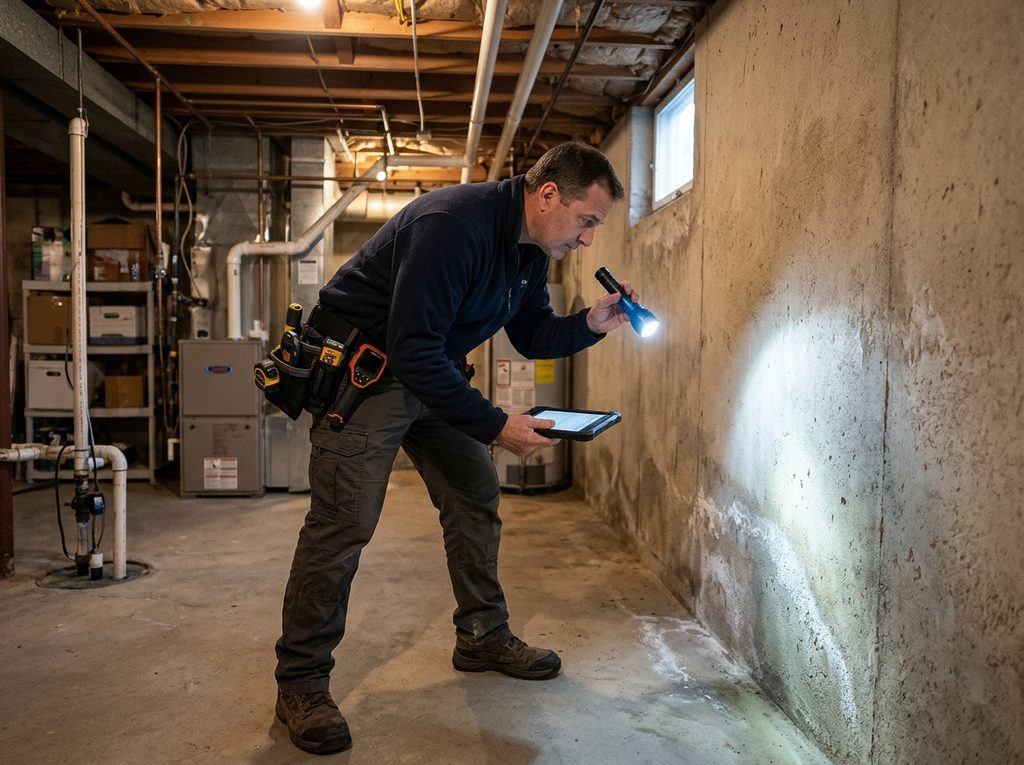
Schedule Home Inspection Services in New Jersey
If you are searching for home inspection near me, home inspections near me, or home inspection companies near me, choose an inspector who explains the inspection process and provides clear reporting.
Zee Home Inspection offers inspection services in New Jersey for buyers, sellers, and property owners. Whether you need a pre-purchase inspection, pre-listing inspection, new construction inspection, or additional testing, discussing your requirements beforehand can help you plan the appointment.
Visit Zee Home Inspection to explore available services and request a quote.
Frequently Asked Questions
How long does a home inspection take in New Jersey?
Most residential home inspections take approximately 2 to 4 hours. The exact time depends on the property’s size, age, condition, and accessibility.
Can a home inspection take five hours?
Yes. Larger or older properties, complex layouts, and multiple systems may require additional time for a thorough evaluation.
Should I attend the home inspection?
Attending is helpful because you can ask questions and better understand the inspector’s observations. You should also review the written report afterward.
Does a larger home take longer to inspect?
Generally, yes. Larger homes have more rooms, systems, and components to evaluate, which can increase the inspection time.
When will I receive my home inspection report?
Report delivery times vary by inspector and service. Ask Zee Home Inspection about its expected report delivery timeframe when scheduling.
Final Thoughts
A home inspection in New Jersey generally takes 2 to 4 hours, but every property is different. Size, age, condition, accessibility, and the number of systems all influence the timeline.
Allowing enough time gives the inspector an opportunity to evaluate accessible components and document important findings. Contact Zee Home Inspection to discuss your property and schedule the appropriate inspection service.