
Buying a home is a major investment, and knowing its actual condition before closing can help you avoid unexpected expenses. A property may look attractive during a showing, but problems with its foundation, roof, plumbing, or electrical system may not be obvious.
A professional home inspection gives buyers a clearer understanding of a property’s visible and accessible condition. It helps identify potential defects, safety concerns, and maintenance needs before making a final decision.
Whether you are purchasing an older property, considering new construction, or preparing to sell, understanding what inspectors look for can make the process easier. With professional home inspection services, you can receive an objective assessment and make better-informed property decisions.
Zee Home Inspection provides inspection services in New Jersey for buyers, sellers, and homeowners. Here are the important areas to examine during a home inspection and the warning signs worth paying attention to.
1. Foundation and Structural Components
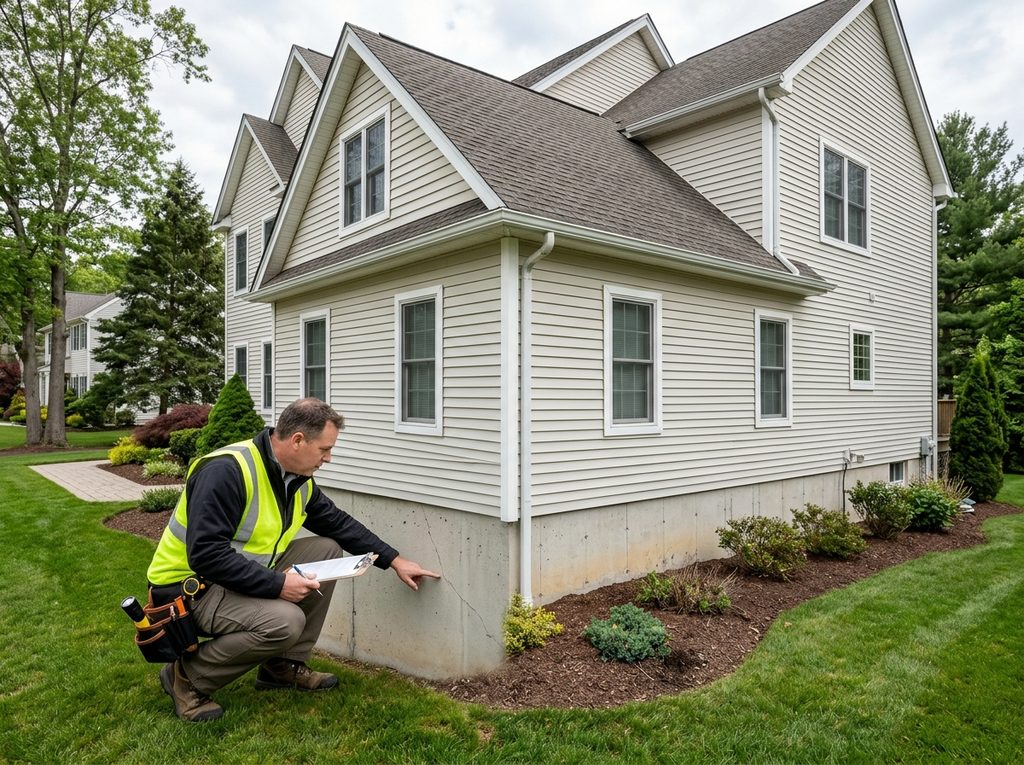
The foundation supports the entire property, making it one of the most important areas to examine. Inspectors look at accessible foundation walls, floors, ceilings, framing, and other structural components.
Watch for:
- Large or widening foundation cracks.
- Uneven or sloping floors.
- Doors and windows that stick or do not close properly.
- Signs of water intrusion around foundation walls.
- Visible damage to structural supports.
Small cracks can occur as buildings settle, but their size, location, and appearance matter. Significant movement or deterioration may require further evaluation by a structural professional.
2. Roof and Roofing Condition
Roof problems can lead to water damage, insulation issues, and expensive repairs. During a Roof Inspection, the inspector evaluates accessible roofing materials and components, including shingles, flashing, gutters, skylights, and visible chimney areas.
Look for signs such as missing or damaged shingles, deteriorated flashing, sagging areas, clogged drainage systems, and water stains inside the home.
New Jersey weather can expose roofs to rain, snow, ice, and seasonal temperature changes. Ask about visible wear and any signs of previous leaks. If the roof cannot be safely accessed, the inspector may use another appropriate method to evaluate its visible condition.
3. Electrical System and Safety
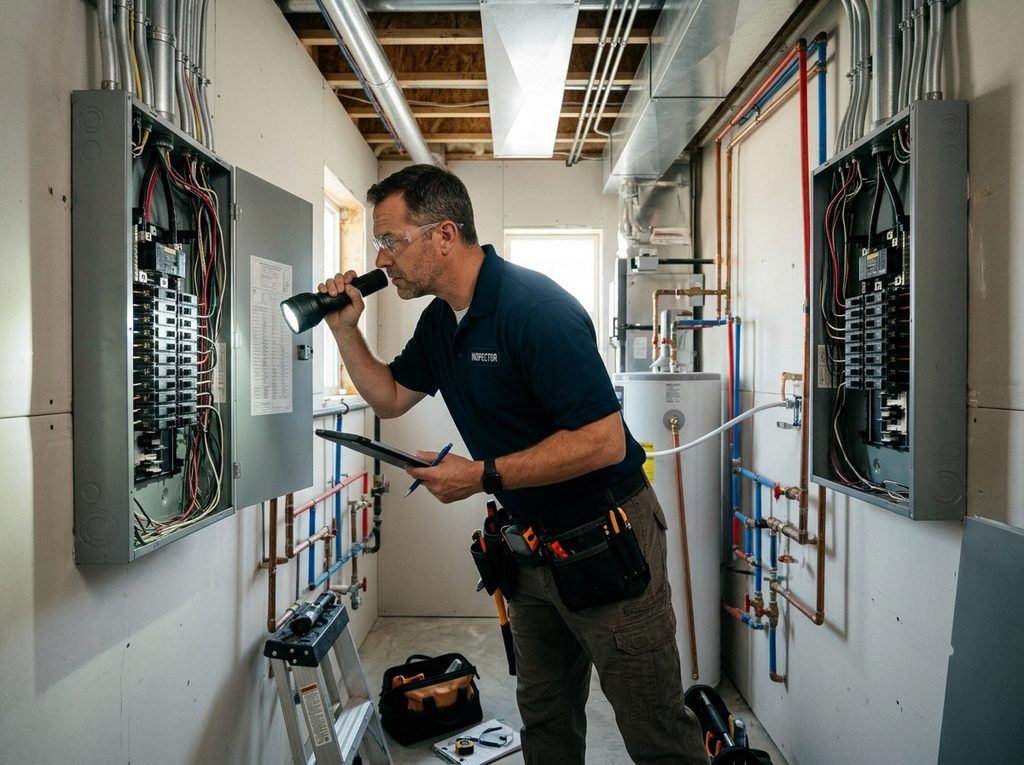
Electrical problems can create serious safety concerns. A general inspection typically includes accessible electrical panels, outlets, switches, and visible wiring.
Important warning signs include:
- Exposed or damaged wiring.
- Loose or damaged outlets.
- Missing electrical panel covers.
- Signs of overheating or burning.
- Improperly installed electrical components.
An inspector does not dismantle every electrical component or examine wiring concealed inside walls. If a significant concern is identified, a licensed electrician may need to investigate further.
4. Plumbing System and Water Damage
Plumbing issues can cause property damage and increase repair costs. Inspectors generally review accessible supply pipes, drains, faucets, toilets, water heaters, and other visible plumbing components.
Pay attention to leaking pipes, corrosion, slow drainage, water stains, and unusual odors. Check beneath sinks and around bathrooms, kitchens, laundry areas, and water heaters for visible moisture.
Water damage may also appear as peeling paint, warped flooring, or discoloration on ceilings. These signs can indicate an active leak or an earlier moisture problem that needs additional investigation.
5. Heating, Cooling, and Ventilation
Heating and cooling systems are essential for indoor comfort throughout New Jersey’s changing seasons. An inspection generally includes accessible heating equipment, cooling systems, thermostats, and visible distribution components.
Look for unusual equipment noises, visible rust, damaged connections, blocked vents, and signs of poor maintenance.
The inspector may operate systems under suitable conditions, but a general inspection is not the same as a detailed HVAC service evaluation. If the equipment shows signs of malfunction, consider consulting a qualified HVAC technician.
6. Interior, Attic, and Insulation
The interior can reveal problems that may not be visible from outside. Inspectors review accessible walls, ceilings, floors, windows, doors, stairs, and railings.
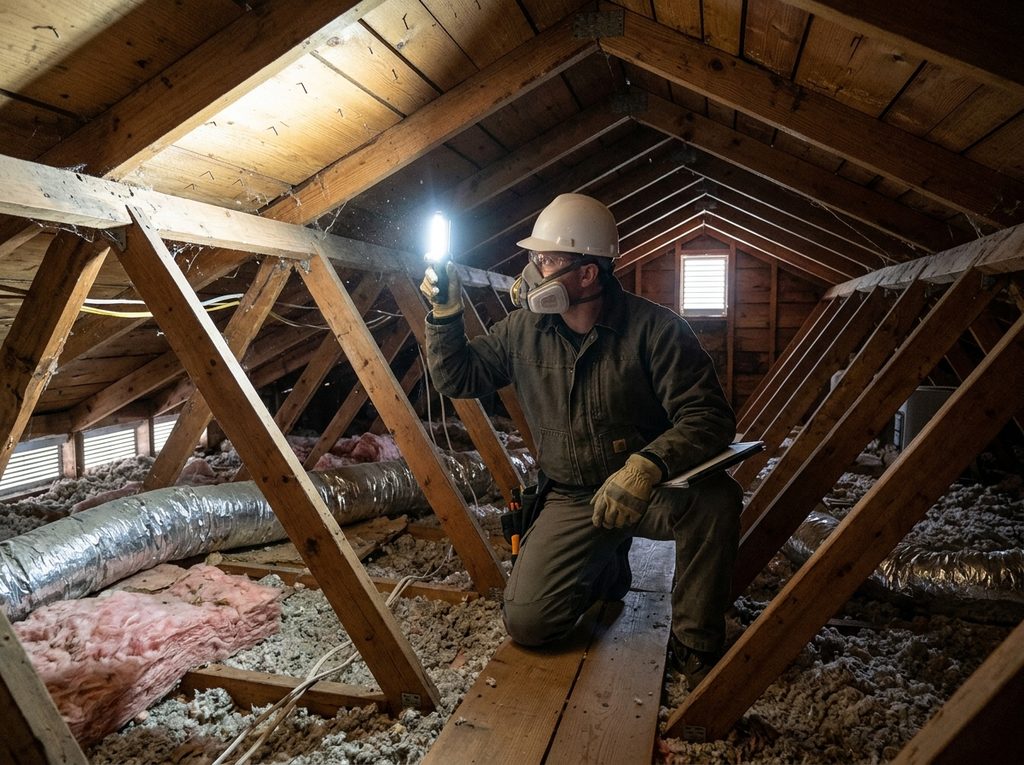
They may also examine accessible attic areas for visible moisture, insulation conditions, and ventilation concerns.
Look for:
- Ceiling stains and damaged drywall.
- Cracked or uneven flooring.
- Loose stair railings.
- Windows that do not operate properly.
- Signs of moisture or musty odors.
- Inadequate or damaged visible insulation.
Blocked or inaccessible areas may limit what the inspector can evaluate. The report should explain significant limitations.
7. Exterior, Drainage, and Property Conditions
The outside of a home deserves just as much attention as its interior. Inspectors review accessible siding, exterior doors, windows, decks, porches, walkways, and garage components.
Proper drainage is particularly important. Water that collects near the foundation can contribute to moisture intrusion and deterioration.
Look for damaged siding, loose railings, deteriorated exterior materials, poorly directed downspouts, and grading that directs water toward the home.
8. Signs of Termites, Mold, and Radon
Some property concerns require specialized testing or inspection beyond a standard general home inspection.
Termite Home Inspection: Look for mud tubes, damaged wood, discarded wings, and other possible signs of wood-destroying insects. A dedicated termite inspection can provide a more focused evaluation.
Mold Home Inspection: Musty odors, water stains, visible growth, and a history of leaks may indicate moisture concerns. Further assessment or testing may be appropriate.
Radon Testing Services: Radon is an invisible, odorless gas that can enter buildings from the ground. Testing is the way to determine its indoor concentration.
9. Consider the Type of Inspection You Need
Not every property requires the same inspection approach. Your needs may depend on whether you are buying, selling, building, or managing a property.
- Pre Home Inspection: A general inspection arranged before a property purchase can help buyers understand its visible condition.
- Pre Listing Home Inspection: Sellers can identify potential concerns before putting a property on the market.
- New Construction Home Inspection: New homes can still have workmanship issues, incomplete items, or installation concerns. A new construction inspection may be arranged at suitable building stages or before closing.
- 4 Points Home Inspection: This focused inspection generally reviews four major systems: roof, electrical, plumbing, and HVAC. Confirm the exact scope and intended use with the provider.
- Residential Home Inspection: Evaluates the accessible systems and components of a residential property.
- Commercial Home Inspection: Requires a scope suited to the building’s use, size, and systems. It should not be assumed to have the same scope as a standard residential inspection.
Zee Home Inspection offers pre-purchase inspections, pre-listing inspections, and new construction inspections.
10. Review the Inspection Report Carefully
The inspection does not end when the walkthrough is complete. The written report is an important record of the inspector’s observations.
Review photographs, descriptions, recommendations, and any areas that could not be inspected. Pay particular attention to significant defects, possible safety issues, and items requiring specialist evaluation.
Not every finding means a home is a poor investment. Some concerns involve routine maintenance, while others may require repairs or further investigation. Discuss important findings with your real estate professional and obtain estimates from qualified contractors when appropriate.
Choosing Home Inspection Companies in New Jersey
When searching for home inspection near me, home inspections near me, or home inspection companies near me, consider the inspector’s licensing, experience, inspection scope, reporting process, and communication.
New Jersey regulates home inspectors and establishes standards covering structural, exterior, roofing, plumbing, electrical, heating, cooling, interior, insulation, ventilation, and fireplace components. Choosing a properly licensed professional is an important step.
Zee Home Inspection provides inspection options for buyers, sellers, and homeowners throughout New Jersey. If you need home inspection services near me, discuss your property type and concerns before scheduling so you understand what the inspection includes.
Visit Zee Home Inspection to learn more or request an inspection.
Frequently Asked Questions
What is the most important thing to look for in a home inspection?
Pay close attention to structural components, roofing, electrical systems, plumbing, and heating and cooling equipment. These areas can involve significant repair costs or safety concerns.
Should I attend my home inspection?
Attending is helpful because you can ask questions, understand the inspector’s observations, and learn about maintenance concerns. Review the written report afterward as well.
Do new homes need a home inspection?
Yes. New construction can still have incomplete work, installation problems, or visible defects. An inspection can help identify concerns before closing.
Does a general home inspection include radon and termite testing?
Not necessarily. Radon testing and termite inspections are generally separate services. Confirm whether they are included or need to be scheduled independently.
How do I find reliable home inspection services in New Jersey?
Look for a properly licensed inspector with relevant experience, a clear inspection scope, understandable reports, and professional communication. Ask questions before booking.
Final Thoughts
Knowing what to look for in a home inspection can help you make a more informed property decision. From the foundation and roof to electrical, plumbing, HVAC, and possible moisture concerns, every accessible area contributes to understanding a home’s condition.
Whether you are buying, selling, or building in New Jersey, a professional inspection can provide valuable information about potential problems and maintenance needs. Contact Zee Home Inspection to discuss your property and choose an inspection service that fits your requirements.